


Wine of the Week 60: Thistle & Weed Vinkel Brut 2024
The first cap classique from a boutique winemaking duo who specialise in chenin.
By Malu Lambert • 05 December 2025
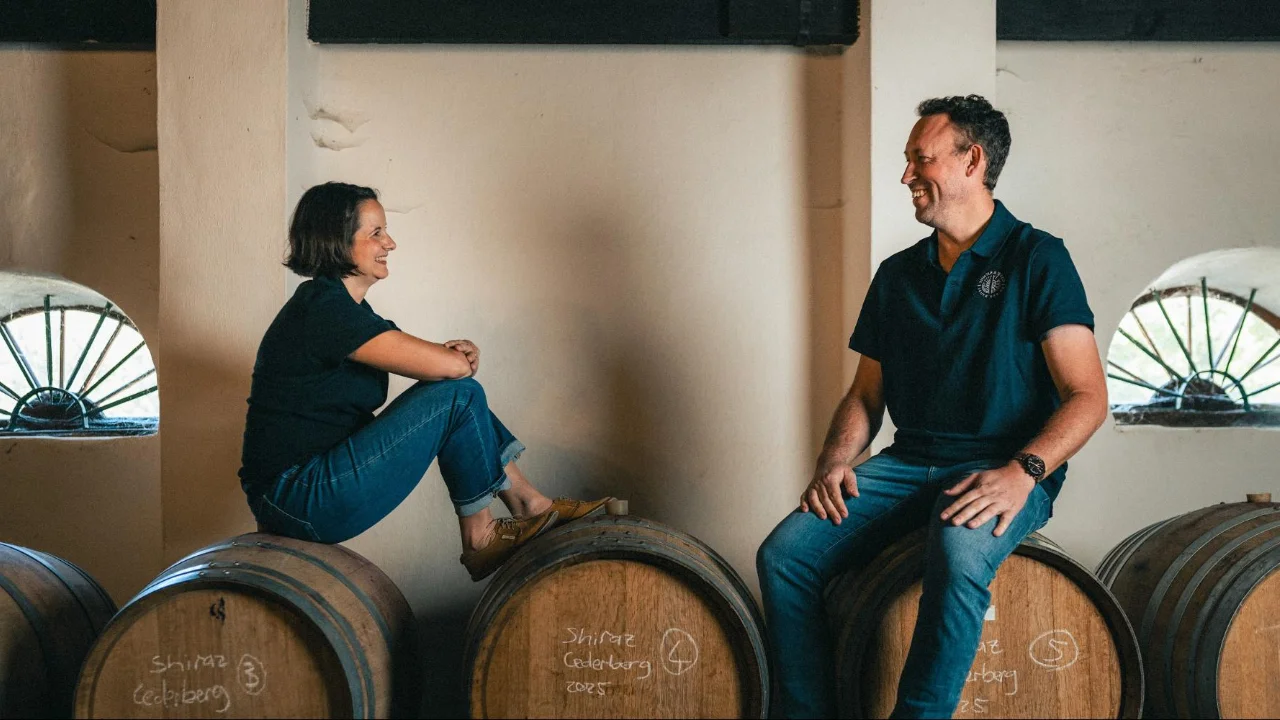
A unique idea brought viticulturist Etienne Terblanche (the “thistle”) and winemaker Stephanie Wiid (the “weed”) together, a range of wines inspired by the hardy plants that populate vineyards. “Grapevines have developed their own set of survival traits to cope with harsh, often unforgiving environments,” says Etienne. “Thistles and weeds are the same.”
“I’m an observer, an investigator, a logical creative, drawn to life’s complexities and contradictions. That’s why viticulture, and the wonderfully messy idea of terroir interests me,” says Etienne. Thistle & Weed began in 2015, when he and Stephanie sought a creative outlet beyond their roles at established estates. “While many brands revolve around a single maverick winemaker, we leaned into collaboration, combining two distinct ways of thinking about vineyards and wine.”
Collaborative synergy
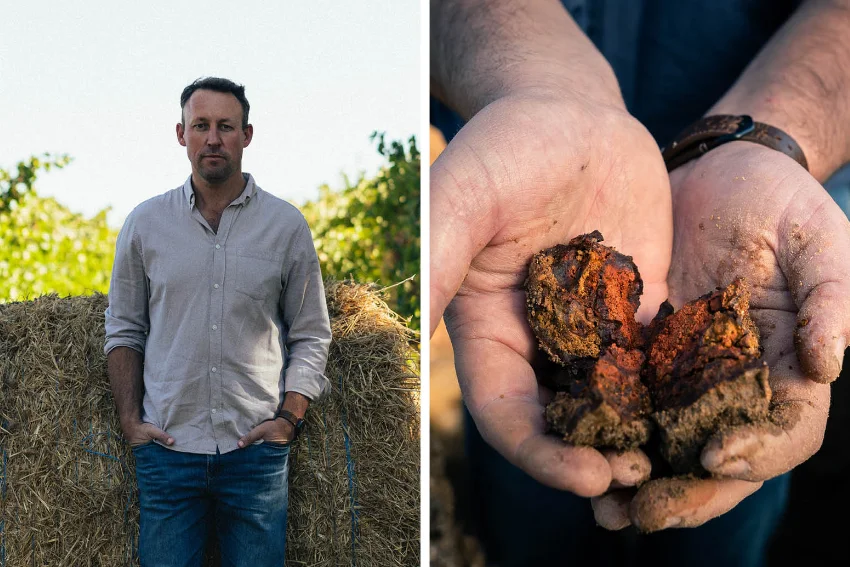
The result is a range of wines that are terroir-focused and honest, inspired by the often-overlooked weeds that spring up between the vines, humble plants that, as Etienne puts it, “have the ability to tell you exactly what’s happening in the soil.”
“There are common associations,” explains Etienne. “Take duwweltjies (Devil’s Thorn), they thrive in bare, sandy soils and are often the first pioneer weeds to appear after the early summer rains.” Nastergal (black nightshade), he notes, points to clay-rich, moisture-retentive soils, while brandnetel (stinging nettle) reliably marks cool, shaded southerly slopes. Springdoring, by contrast, hugs the ground and needs very little water to survive, making it a hallmark of warm, arid sites, “Exactly why we see so much of it in the Swartland,” he adds.
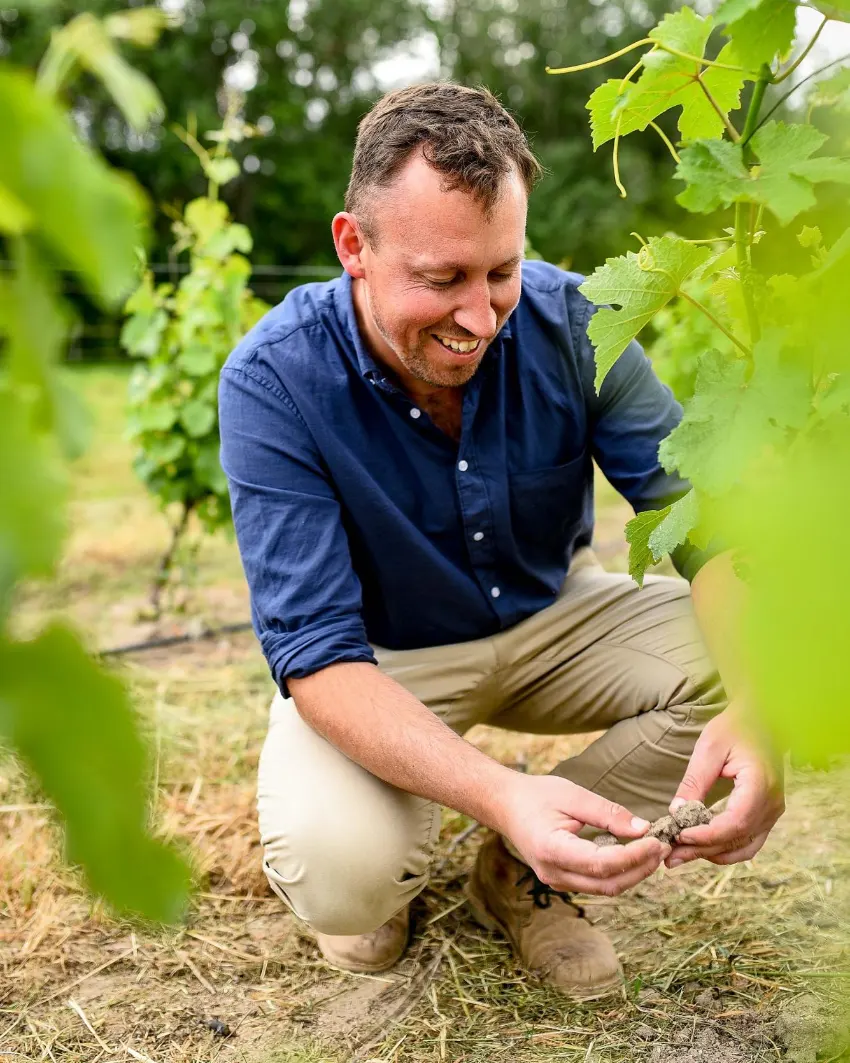
Etienne believes more growers should encourage beneficial weeds. Species like wild oats, wild barley, rooiputjiebrak and oxalis provide valuable ecosystem services, and research from Stellenbosch University shows that plant diversity in vineyards boosts insect life even more than the chosen farming system.
But some weeds are trouble. Allelopathic species such as kweek (bankrot-gras), perennial ryegrass and koperdraad dominate the ecosystem, rob vines of water and nutrients, and release chemicals that suppress other plants. The key, he says, is balance.
A spark of delight
The name Vinkel comes from wild fennel. As Etienne explains, the Afrikaans saying “Vinkel en koljander… half-doesyn van een en ses van die ander” is a reminder that life’s small moments deserve celebration, not just the big ones. Wild fennel grows everywhere: along roadsides, between pavements, ready to lift a dish without fuss. “You don’t need a curated herb garden,” he says. It also nods to “iets klein gee jou sommer ’n Vinkel in jou oë” or “that spark of delight”.
He says chenin was the natural choice for the bubbly. “It’s the backbone of South African fine wine and, as in the Loire, a proven performer in bottle-fermented styles. “We can expand the cap classique category by focusing on freshness and drinkability, heroing the vineyard rather than talking only about lees time and brioche. Chenin is made for the Cape.”
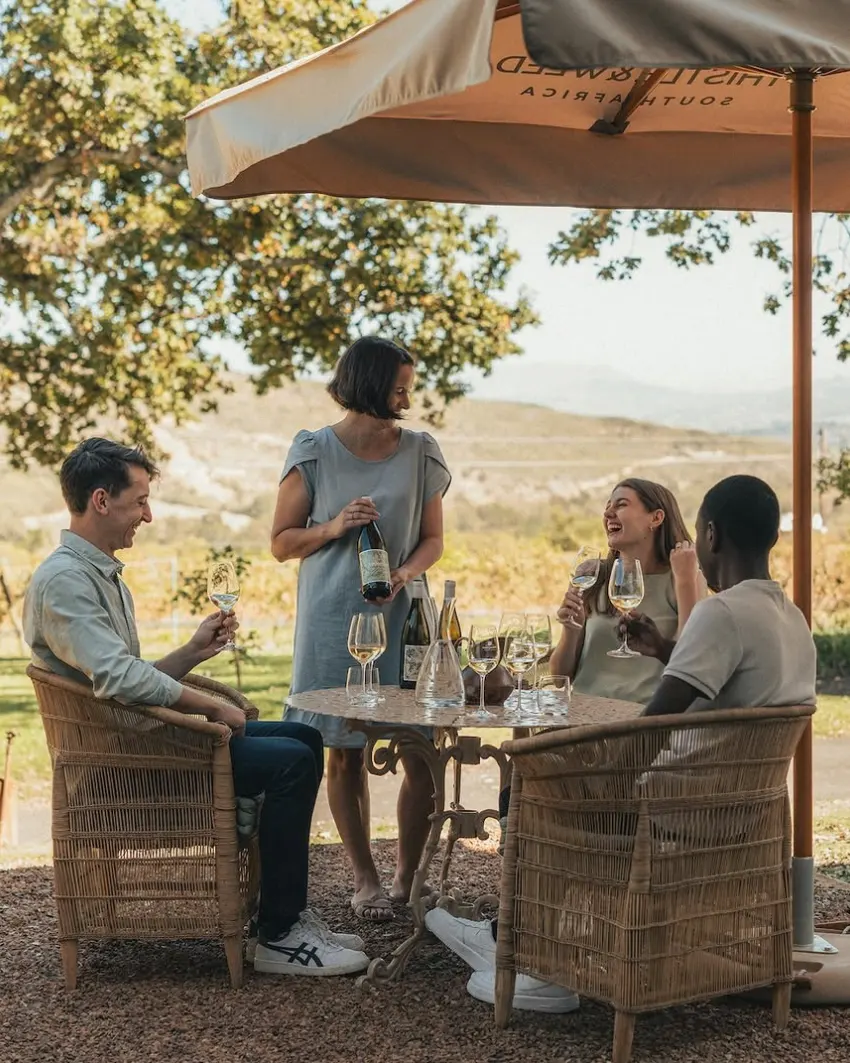
Good to know Thistle & Weed is based at Jonkershoek farm Leef op Hoop in Stellenbosch. Tastings are by appointment.
Thistle & Weed Vinkel Brut 2024
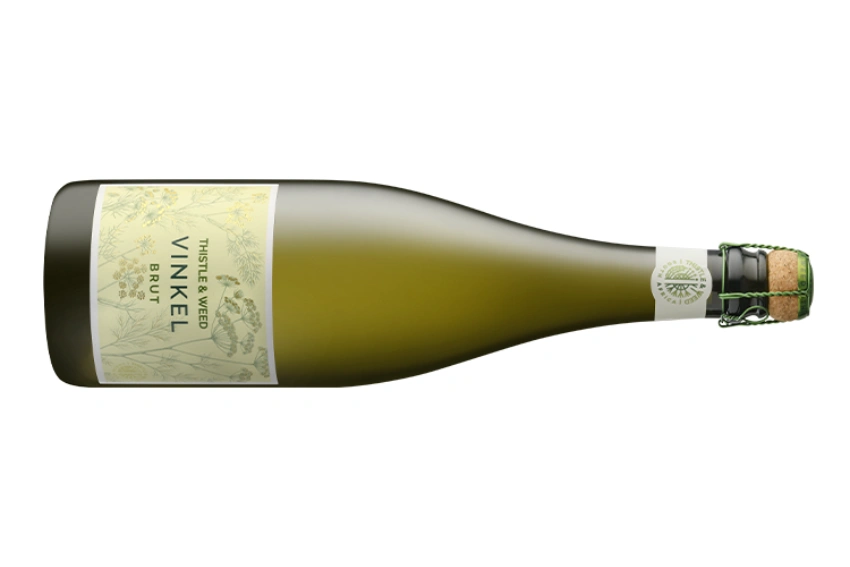
Crushed apple blossoms, a storm of citrus, ozonic energy, the nose is alive, fresh and fragrant. A bubble burst of a mousse, giddy and voluminous, carrying apples, pears, kumquat, pink grapefruit. Clean, tight acidity with a lemon-verbena edge of bitterness. Mouth-filling, balanced, refreshing and moreish.
Buy Now
Discover all of the Cape’s hidden gems – subscribe to our weekly newsletter.

Share your opinion