


Wine of the Week 72: Vino pH Barbera 2025
By Malu Lambert • 19 August 2026
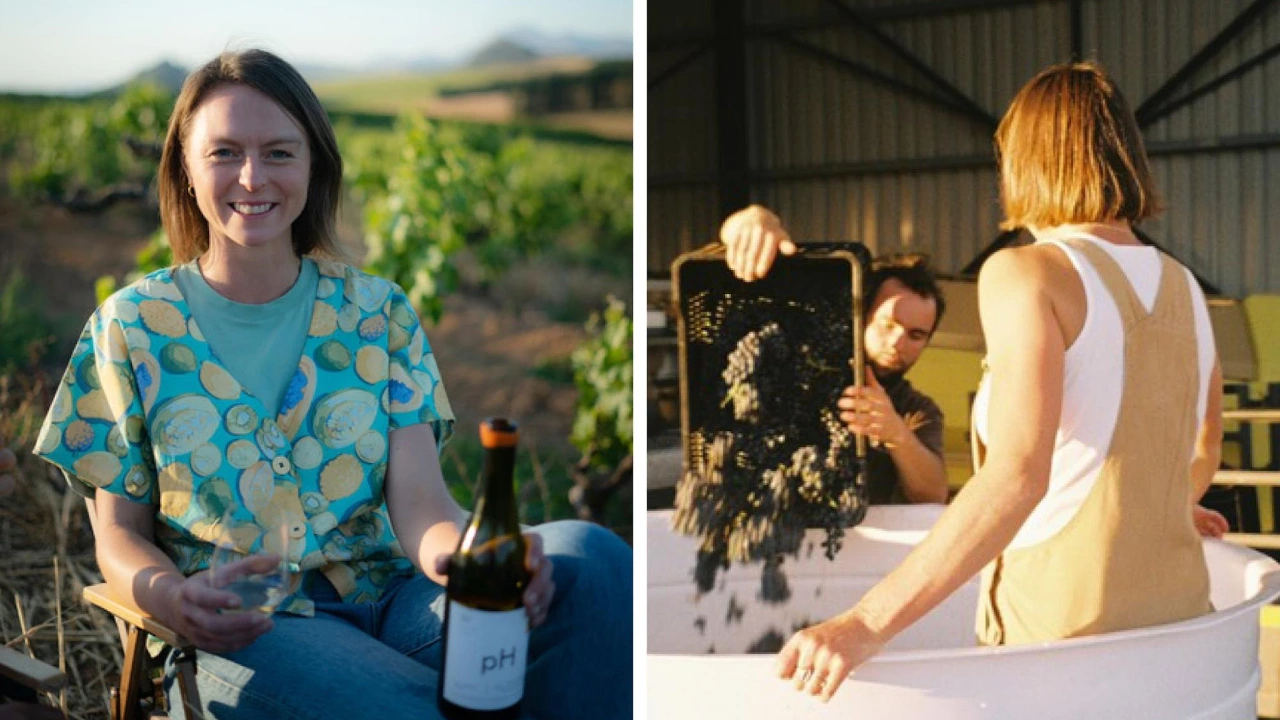
“Barbera is known for producing fuller, riper wines in Italy. But tasting the grapes from the Paardeberg, they were all crunchy, juicy cherries,” says Hanneke Krüger, winemaker behind her own label, Vino pH. The flavour immediately brought back memories of her parents’ cherry trees, from which she helped them make preserves. “I wanted to capture that same primary fruit.” She says the best way to achieve that is through carbonic maceration, fermenting the grapes as whole bunches. “It’s almost like having thousands of small capsules fermenting!”
Around the world
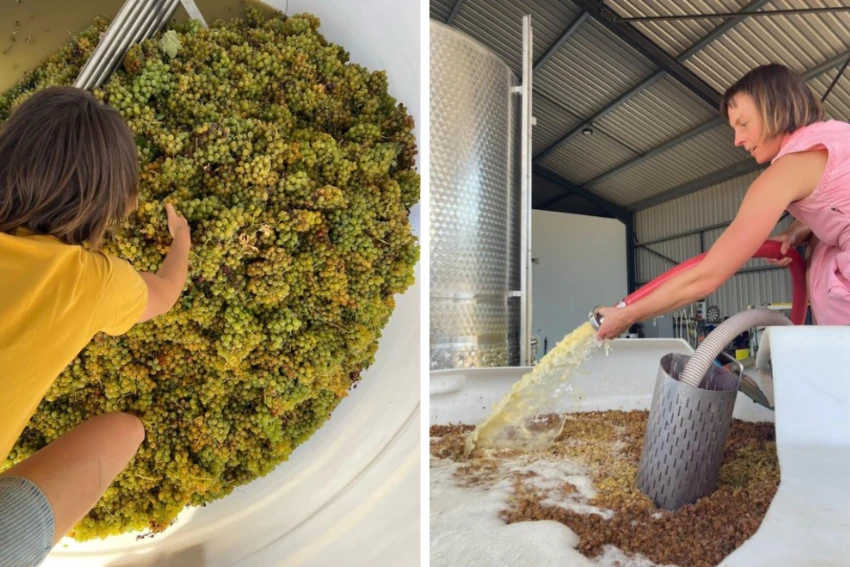
Growing up in Johannesburg Hanneke says she had her nose in everything: from her grandmother’s spice cupboard to the freshly turned soil in her mother’s garden. “I have always been led by my senses.” Becoming a winemaker was “a no-brainer,” she says. “You got to live and work on a farm, and travel to wine regions around the world.”
She completed a BSc in Viticulture and Oenology at Stellenbosch University, followed by an honours degree centred on a major chenin blanc research project. A harvest in Marlborough led to the Vinifera Erasmus Master’s programme, which took her through France and Spain, with vintages in Bordeaux, the Mosel and Mendoza along the way. In this time she learnt both French and Spanish.
Back in South Africa she spent four years at DeMorgenzon before Adi Badenhorst invited her to work with him, both in Abruzzo, Italy, and later at Kalmoesfontein. In 2018 Adi gave her leeway to start Vino pH on the side.
A base in Piketberg
“Vino pH is inspired by striving for balance in life,” explains Hanneke. “pH is critical in the soils in which we grow our food, in our bodies to maintain health and in wine to leave a lingering sensation in your mouth. The brand, with its periodic table and laboratory-style labels, she says is a reflection of her experimental and curious spirit.
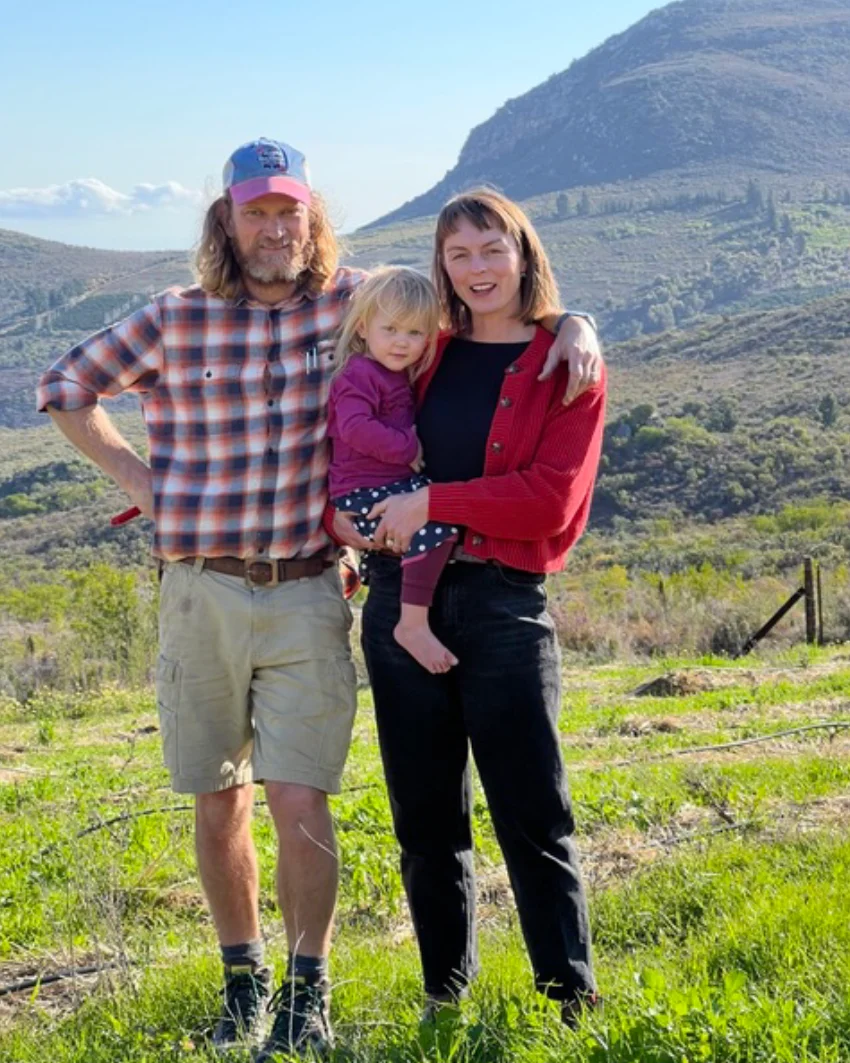
Today Hanneke focuses full-time on Vino pH while also supporting her husband, fellow winemaker Thinus Krüger of Fram Wines. Together they have established Wolfkloof on the Piket-Bo-Berg, where they are planting six hectares of vineyards intended for just two eventual field blends: one white and one red. It is here, too, that they are raising their two young children.
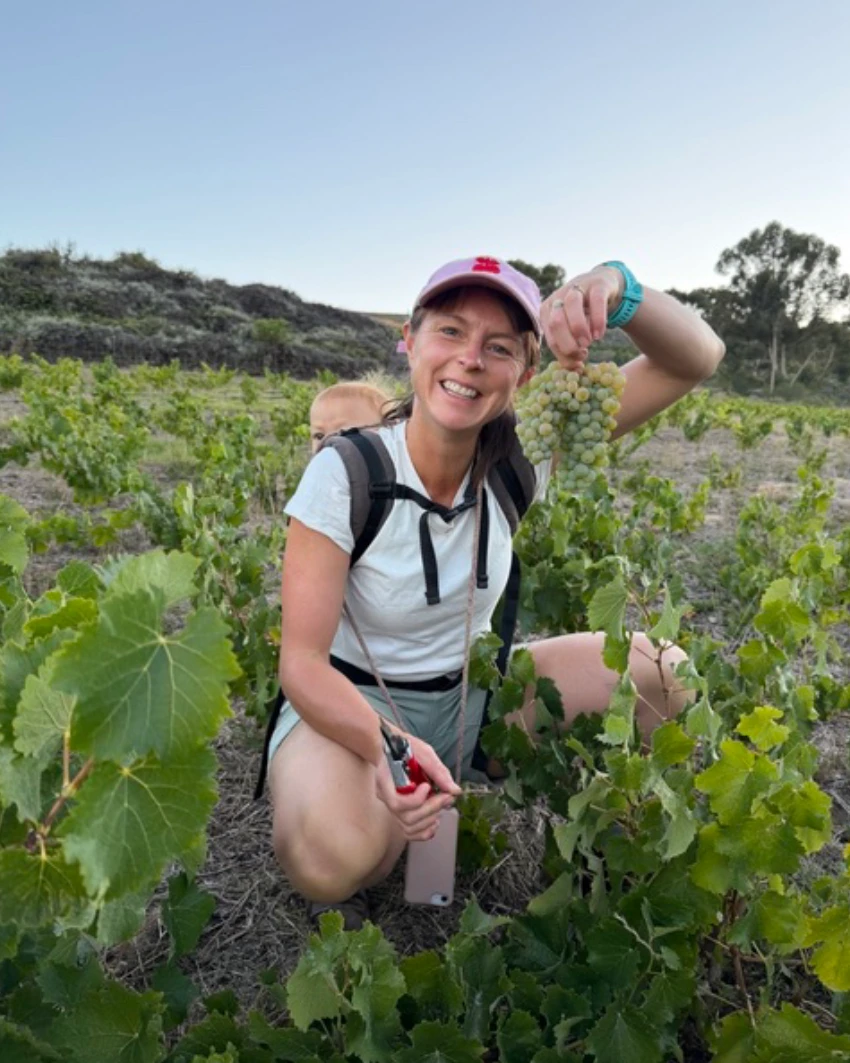
The Vino pH range comprises a Ceres Plateau pinot noir; old-vine palomino and grenache from Piekenierskloof; and a cabernet sauvignon-cinsault blend and barbera from the koffieklip soils of the Paardeberg.
“I choose vineyards where the grape is already thriving,” she explains. “Then you don’t need to do too much other than capture the fruit at the right moment.”
Vino pH Barbera 2025
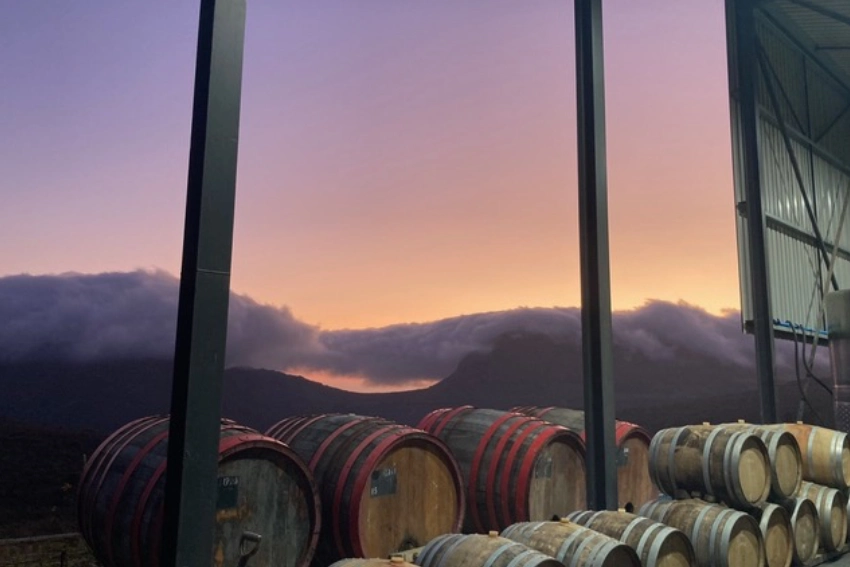
Pure, fresh, bright. Smells like red cherries, purple flowers, spring plums and raspberries. Tacky cherry juice sluices onto the palate, tart and moreish, supported by lightly dusty tannin and crunchy acidity. The grapes saw 100% whole bunch carbonic maceration. The bottom layer of grapes are foot-stomped to get just a little bit of juice in the tank for the fermentation to be able to start. After about four days on the skins, the grapes are pressed and the half-fermented juice is put into 228L barrels where the fermentation continues. Hanneke says to capture all the vibrant perfume and fruit flavours, the wine is bottled early after five months in barrel. Unfined and unfiltered.

Discover all of the Cape’s hidden gems – subscribe to our weekly newsletter.

Share your opinion